
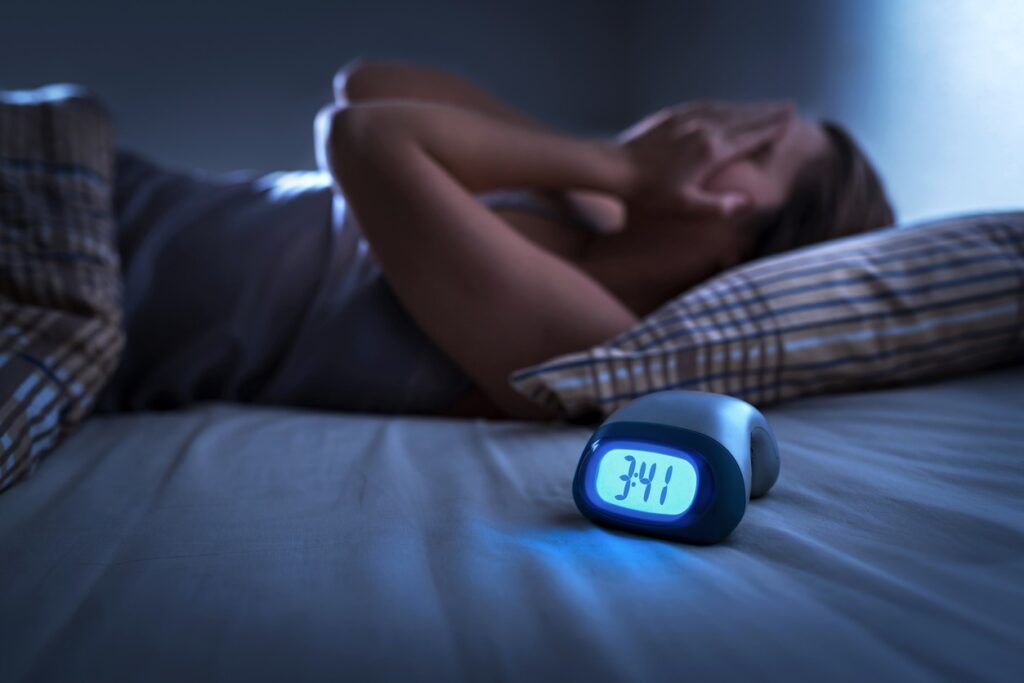
Getting a good night’s sleep is essential for our overall health and well-being. However, with the pressures of modern life, many people struggle to fall asleep or stay asleep throughout the night. This has led to an increased interest in natural sleep aids, with one of the most popular options being cannabidiol (CBD). But how does CBD actually help improve sleep quality? In this blog post, we will explore the science behind CBD and its potential effects on sleep.
What Is CBD?
Before diving into the science, it’s important to understand what CBD is. Cannabidiol, or CBD, is a naturally occurring compound found in the cannabis plant. Unlike its more well-known counterpart, tetrahydrocannabinol (THC), CBD is non-psychoactive, meaning it won’t get you “high.” Instead, CBD has been studied for its potential health benefits, including its effects on sleep, anxiety, pain, and inflammation.
The Endocannabinoid System: A Key Player in Sleep
To understand how CBD works for sleep, we first need to discuss the endocannabinoid system (ECS). The ECS is a complex network of receptors found throughout the body, including the brain, immune system, and various organs. This system plays a crucial role in regulating several bodily functions, such as mood, appetite, pain, and sleep.
The ECS consists of three main components:
- Endocannabinoids: These are naturally occurring compounds produced by the body that resemble the compounds found in cannabis.
- Cannabinoid Receptors: These receptors (CB1 and CB2) are located throughout the body and are responsible for receiving signals from endocannabinoids and cannabinoids like CBD.
- Enzymes: These enzymes help break down the endocannabinoids once they’ve completed their task.
CBD interacts with the ECS by influencing the cannabinoid receptors, particularly CB1 receptors located in the brain. While CBD doesn’t bind directly to these receptors like THC, it has been shown to modulate their activity, potentially influencing sleep patterns.
How CBD Affects Sleep
CBD is believed to affect sleep through several mechanisms, all of which work in harmony to improve sleep quality. Let’s take a closer look at how CBD may help with sleep issues.
1. Regulating the Sleep-Wake Cycle
One of the most important ways CBD affects sleep is by influencing the body’s circadian rhythm, also known as the sleep-wake cycle. The circadian rhythm is a 24-hour internal clock that regulates our sleep patterns and other biological processes, such as hormone release and body temperature.
Research suggests that CBD can help synchronize the circadian rhythm by promoting a balance between sleep and wakefulness. By interacting with the ECS, CBD may help to regulate the production of certain neurotransmitters, such as serotonin and melatonin, which are essential for maintaining a healthy sleep-wake cycle.
2. Reducing Anxiety and Stress
Anxiety and stress are common culprits when it comes to sleep disturbances. When we’re anxious or stressed, our bodies release hormones like cortisol, which can make it difficult to relax and fall asleep. CBD has been shown to have anxiolytic (anxiety-reducing) effects, which may help improve sleep by calming the mind and reducing the levels of stress-related hormones in the body.
By reducing anxiety, CBD may make it easier to wind down at night, promoting relaxation and helping you fall asleep faster. Additionally, it may help you stay asleep longer, as stress and anxiety are often responsible for waking people up in the middle of the night.
3. Relieving Pain and Discomfort
Pain is another common factor that disrupts sleep. Whether it’s chronic pain from conditions like arthritis or temporary discomfort from exercise or injury, pain can make it difficult to find a comfortable sleeping position or get a full night’s rest. CBD has analgesic (pain-relieving) properties and may help manage pain by interacting with the body’s pain receptors.
By reducing pain, CBD may help improve both the quality and duration of sleep. People suffering from conditions like chronic pain, fibromyalgia, or back pain may find that CBD helps them sleep more soundly by easing their discomfort.
4. Supporting REM Sleep
Rapid Eye Movement (REM) sleep is a crucial stage of the sleep cycle associated with dreaming and memory consolidation. During REM sleep, the brain processes emotions and solidifies learning experiences. CBD has been shown to influence the amount of time spent in REM sleep.
Some studies suggest that CBD may help increase the duration of deep, restorative sleep and reduce interruptions during REM sleep, potentially improving sleep quality. By supporting healthy REM sleep, CBD may help you wake up feeling more rested and mentally refreshed.
5. Preventing Nightmares and Sleep Disorders
For those who suffer from nightmares, especially people with Post-Traumatic Stress Disorder (PTSD), CBD may be a useful tool. Nightmares are often triggered by heightened stress and anxiety, and CBD’s ability to reduce anxiety may help decrease the frequency and intensity of nightmares.
Additionally, CBD may help with certain sleep disorders, such as insomnia or sleep apnea. While more research is needed, early findings suggest that CBD could be a potential treatment option for those with difficulty falling asleep or staying asleep throughout the night.
What Does the Research Say?
While much of the research on CBD and sleep is still in its early stages, there is a growing body of evidence supporting its use as a sleep aid. For example:
- A 2019 study published in the Journal of Clinical Psychology found that CBD was effective in reducing anxiety and improving sleep quality in participants with anxiety-related sleep disturbances.
- A 2018 study in Frontiers in Pharmacology concluded that CBD has therapeutic potential for a variety of sleep disorders, including insomnia and REM sleep behavior disorder.
- A 2017 review in Current Psychiatry Reports found that CBD may hold promise for improving sleep and managing sleep disorders, particularly when combined with other therapies.
Despite promising results, more research is necessary to fully understand the long-term effects of CBD on sleep and its potential as a treatment for sleep disorders.
Dosage and Usage
When it comes to using CBD for sleep, finding the right dosage is essential. The ideal dose varies depending on the individual, their weight, metabolism, and the severity of their sleep issues. Many people start with a small dose (e.g., 10-20 mg) and gradually increase it until they find the amount that works best for them.
CBD is available in various forms, including oils, tinctures, capsules, and gummies. The method of consumption can affect how quickly CBD takes effect, so it’s important to experiment with different formats to find what works best for you.
It’s always a good idea to consult with a healthcare provider before starting a new CBD regimen, especially if you are taking medications or have underlying health conditions.
Conclusion
CBD’s potential to improve sleep quality is supported by a growing body of scientific research. By interacting with the body’s endocannabinoid system, CBD may help regulate the sleep-wake cycle, reduce anxiety and stress, alleviate pain, and promote restful sleep. However, as with any natural remedy, results can vary, and more research is needed to fully understand the mechanisms behind CBD and sleep.
If you’re considering using CBD to improve your sleep, it’s important to start with the right dosage and consult a healthcare provider to ensure that it’s the right option for you. With continued research and more user experiences, CBD may soon become a go-to solution for those seeking better, more restful sleep.