
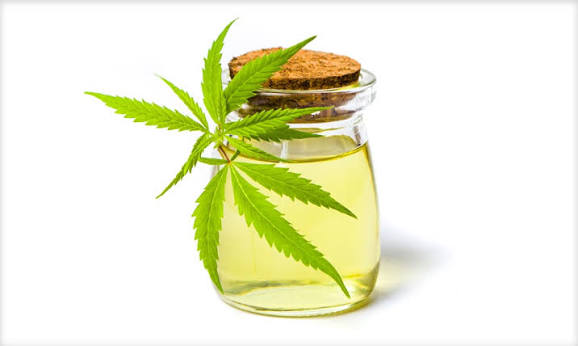
If you use CBD oil regularly, you may notice that its color changes over time. A bottle that was once light golden or clear may gradually become darker, cloudy, or slightly different in appearance.
So, does a change in color mean that your CBD oil has gone bad?
Not necessarily. Changes in color can happen because of natural compounds in the hemp extract, exposure to light and heat, oxidation, and the other ingredients used in the product. However, significant changes in appearance, smell, or texture can sometimes indicate that the product is no longer in good condition.
Understanding why CBD oil changes color can help you store it properly and recognize when it may be time to replace it.
What Color Is CBD Oil Normally?
CBD oil does not have one standard color. Its appearance can vary depending on the type of hemp extract, extraction method, carrier oil, filtration process, and other ingredients.
CBD oil may appear:
- Clear or almost transparent
- Pale yellow
- Golden
- Amber
- Light brown
- Dark green or brown
Full-spectrum CBD oil may have a darker or more noticeable color because it contains a wider range of naturally occurring hemp compounds.
CBD isolate products can sometimes appear lighter because many plant compounds have been removed during processing.
Because formulations differ between products, color alone does not determine whether CBD oil is high quality or safe to use.
Why Does CBD Oil Change Color Over Time?
Several factors can contribute to changes in the color of CBD oil.
1. Exposure to Light
Light can affect the compounds found in CBD oil. Prolonged exposure, especially to strong sunlight, may contribute to gradual changes in appearance and can affect the overall quality of the product.
This is one reason many CBD oils are sold in dark or tinted bottles. These containers help reduce exposure to light.
Keeping your CBD oil away from direct sunlight can help preserve its quality for longer.
2. Exposure to Heat
High temperatures can also affect CBD oil and its ingredients.
Leaving a bottle in a hot car, near a window, or close to a heat-producing appliance can expose it to unnecessary heat. Over time, this may contribute to changes in color, smell, consistency, or overall quality.
For this reason, CBD oil is generally best stored in a cool, dry place away from direct heat.
3. Oxidation
Oxidation occurs when substances react with oxygen. Once a CBD oil bottle is opened, the contents can gradually come into contact with air.
Over time, oxidation may contribute to changes in the oil’s color and other characteristics.
This is a normal reason why an older bottle may look different from a newly opened bottle. However, significant changes combined with an unusual smell or other signs of deterioration should not be ignored.
4. Natural Hemp Compounds
Hemp contains naturally occurring compounds such as cannabinoids, terpenes, flavonoids, and other plant components.
These compounds can influence the color and appearance of CBD oil. The concentration and combination of these substances can also vary between products.
As a result, two CBD oils can have different colors even when they are made with similar amounts of CBD.
5. The Type of CBD Extract
The type of extract can influence the appearance of CBD oil.
Full-spectrum CBD oil contains a broad range of naturally occurring hemp compounds, which can give the oil a darker or more noticeable color.
Broad-spectrum CBD oil also contains multiple hemp compounds but is generally processed to remove THC.
CBD isolate oil uses isolated CBD and may have a lighter appearance, depending on the carrier oil and formulation.
Therefore, a darker color does not automatically mean that the CBD oil is old or poor quality.
6. Carrier Oil Can Affect Color
CBD is commonly combined with a carrier oil to create a usable CBD oil product.
Common carrier oils include:
- MCT oil
- Hemp seed oil
- Olive oil
- Coconut-derived oils
The natural color and characteristics of the carrier oil can influence the final appearance of the product.
If the formulation contains additional ingredients, those can also affect the color.
Does Darker CBD Oil Mean It Is Stronger?
No. Color is not a reliable indicator of CBD potency.
A darker CBD oil does not necessarily contain more CBD, and a clear or pale product is not automatically weaker.
The best way to understand the CBD content is to check the product label and, where available, independent laboratory testing.
Look for information such as:
- Total CBD content
- CBD per serving
- Type of hemp extract
- Batch information
- Certificate of analysis (COA)
These details are more useful than judging potency based on color.
Is It Normal for CBD Oil to Become Darker?
A gradual change in color can happen as CBD oil ages, particularly after opening. Exposure to air, light, and heat can contribute to these changes.
However, color should not be considered by itself.
If the oil has changed slightly but still has its expected smell, consistency, and packaging information, the color change may simply be related to storage and aging.
On the other hand, a major change in appearance along with other unusual characteristics may be a reason to stop using the product.
When Should You Avoid Using CBD Oil?
Color changes do not always mean a CBD oil is unsafe, but several warning signs deserve attention.
Consider replacing the product if you notice:
1. Unusual or Strong Odor
If the oil develops a smell that is significantly different from what you would normally expect, it may indicate deterioration.
2. Major Texture Changes
Unexpected separation, thickening, or changes in consistency can be signs that the product has been affected by storage conditions or age.
3. Damaged Packaging
Check whether the bottle or seal is damaged. A compromised container can expose the oil to air or contaminants.
4. Expired Product
Always check the manufacturer’s expiration or best-before information. Using an old product beyond its recommended shelf life may mean that its quality is no longer guaranteed.
5. Unclear Product Information
Be cautious if you cannot find basic information about the product, such as its CBD content, ingredients, batch details, or testing information.
How to Prevent CBD Oil From Changing Color Too Quickly
Proper storage can help maintain the quality of CBD oil.
1. Store It Away From Direct Sunlight
Keep the bottle in a cupboard, drawer, or another location away from direct sunlight.
2. Keep It Cool
Avoid storing CBD oil near ovens, radiators, windows, or other sources of heat.
3. Close the Bottle Properly
After each use, make sure the cap is tightly closed. Limiting unnecessary exposure to air can help protect the contents.
4. Keep It in Its Original Container
The original bottle is generally designed to protect the product from environmental factors. Avoid transferring CBD oil into another container unless the manufacturer specifically recommends it.
5. Follow the Manufacturer’s Storage Instructions
Different formulations can have different storage requirements. Always follow the instructions provided with the product.
Does CBD Oil Expire?
Yes, CBD oil can expire. Like other oils and plant-based products, its quality can gradually change over time.
The expiration period can depend on factors such as:
- Ingredients
- Carrier oil
- Packaging
- Storage conditions
- Whether the bottle has been opened
Always check the manufacturer’s date and storage recommendations.
A bottle that has been stored correctly may maintain its quality better than one that has been repeatedly exposed to heat, sunlight, and air.
Does Color Affect the Quality of CBD Oil?
Color alone cannot tell you whether CBD oil is high quality.
A high-quality CBD oil may naturally be light, golden, amber, or darker depending on its formulation.
Instead of judging the product only by appearance, consider the complete picture:
- Ingredient transparency
- CBD concentration
- Type of extract
- Third-party laboratory testing
- Manufacturing information
- Packaging
- Expiration date
- Storage conditions
These factors provide a much better indication of product quality.
Also Read: Can CBD Oil Make You Feel High? CBD vs THC Explained
Final Thoughts
CBD oil can change color over time for several reasons. Light, heat, oxygen exposure, natural hemp compounds, the type of extract, and the carrier oil can all influence its appearance.
A gradual color change does not automatically mean that your CBD oil has gone bad. However, if the color change is accompanied by an unusual smell, significant texture changes, damaged packaging, or an expired date, it is better to avoid using the product.
Proper storage is one of the simplest ways to help maintain CBD oil quality. Keep it tightly sealed, away from direct sunlight and excessive heat, and always follow the manufacturer’s storage recommendations.
Most importantly, don’t judge CBD oil potency or quality by color alone. Product labeling and reliable laboratory testing are much more useful when evaluating a CBD oil product.