
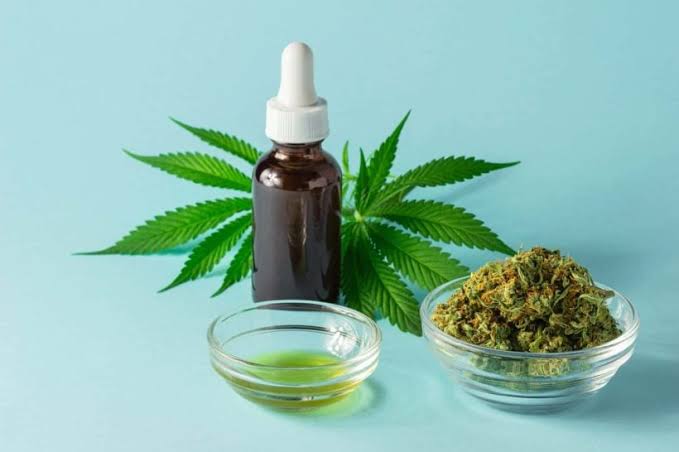
CBD oil has become increasingly popular among people interested in hemp-derived wellness products. But one question often comes up before trying it: Can CBD oil make you feel high?
The short answer is CBD itself does not typically produce the intoxicating “high” associated with THC. However, CBD products can vary in composition, and some may contain small amounts of THC depending on how they are made and regulated.
Understanding the difference between CBD and THC can help you make more informed choices when selecting a CBD product.
In this guide, we’ll explain what CBD and THC are, how they affect the body, whether CBD oil can make you feel high, and what to look for when choosing a CBD oil.
What Is CBD?
CBD, short for cannabidiol, is one of the naturally occurring cannabinoids found in cannabis and hemp plants. Unlike THC, CBD is not generally considered intoxicating.
CBD interacts with the body’s endocannabinoid system (ECS), a biological system involved in processes such as mood, sleep, appetite, stress responses, and immune function.
People use CBD oil for a variety of wellness purposes, although research into many of these uses is still developing.
CBD is available in several forms, including:
- CBD oil and tinctures
- CBD gummies
- CBD capsules
- CBD topicals
- CBD beverages
- CBD products formulated for pets
The effects of CBD can vary depending on the product, concentration, individual factors, and method of consumption.
What Is THC?
THC stands for tetrahydrocannabinol. It is another naturally occurring cannabinoid found in cannabis.
The most well-known form is delta-9 THC, which is responsible for much of the intoxicating effect associated with cannabis.
THC interacts with cannabinoid receptors in the brain and nervous system, particularly CB1 receptors. This interaction can produce effects such as euphoria, altered perception, relaxation, changes in time perception, and impaired coordination.
Because THC can produce intoxicating effects, it is regulated differently from CBD in many places.
CBD vs THC: What’s the Difference?
Although CBD and THC come from the same plant family, they are chemically similar but affect the body differently.
1. Intoxicating Effects
The biggest difference is intoxication.
THC can make you feel high, while CBD generally does not produce the same intoxicating effect.
CBD users may notice changes in how they feel, such as feeling more relaxed, but that is different from the euphoria or altered perception commonly associated with THC.
2. Interaction With the Body
CBD and THC interact with the endocannabinoid system differently.
THC can bind more directly to CB1 receptors, contributing to its psychoactive effects. CBD has a more complex interaction with cannabinoid receptors and does not produce the same typical intoxication.
3. Product Composition
CBD oil may be made using different types of hemp extracts.
Common categories include:
- CBD isolate: Contains CBD without other cannabinoids.
- Broad-spectrum CBD: Contains multiple hemp compounds but is generally formulated to contain no detectable THC.
- Full-spectrum CBD: Contains CBD and other naturally occurring hemp compounds and may contain trace amounts of THC within applicable legal limits.
Because formulations vary, checking the product label and laboratory testing is important.
So, Can CBD Oil Make You Feel High?
Pure CBD does not typically make you feel high.
CBD is considered non-intoxicating, meaning it does not normally cause the pronounced euphoria or altered perception associated with THC.
However, the experience can depend on the specific product.
If a CBD oil contains THC, particularly in a higher amount than expected, someone who is sensitive to THC could potentially notice intoxicating effects.
Other ingredients, product quality, individual sensitivity, and expectations can also influence how someone experiences a CBD product.
This is why it is important to understand exactly what is in the CBD oil you are purchasing.
Why Might Someone Feel Different After Taking CBD Oil?
Even though CBD is not generally intoxicating, some people report feeling different after using it.
Several factors may contribute to this experience.
1. Individual Sensitivity
Everyone responds to cannabinoids differently. Factors such as body chemistry, previous cannabinoid exposure, metabolism, and the amount consumed can influence how someone feels.
2. Product Formulation
CBD oil is not always made from CBD isolate. Full-spectrum products can contain other cannabinoids and naturally occurring hemp compounds, including small amounts of THC.
If avoiding THC is important to you, look closely at the product’s cannabinoid profile.
3. Amount Used
Using more CBD than intended may make some people feel tired, relaxed, or otherwise different from their normal state.
More CBD is not necessarily better. Following the product label and using a cautious approach is generally preferable.
4. Other Ingredients
Some CBD oils contain additional ingredients such as carrier oils, botanical extracts, or flavoring agents. These ingredients can affect the taste and overall experience of the product.
Can Full-Spectrum CBD Oil Make You Feel High?
This is one of the most common questions about CBD products.
Full-spectrum CBD oil contains a range of naturally occurring compounds from the hemp plant, including CBD and potentially small amounts of THC.
When the THC content is very low, most people would not experience the type of high associated with conventional cannabis products. However, individual sensitivity varies.
If your priority is avoiding intoxicating effects or minimizing THC exposure, you may want to consider a CBD isolate product or a properly formulated broad-spectrum product and verify its laboratory testing.
What About Broad-Spectrum CBD Oil?
Broad-spectrum CBD oil is designed to contain multiple cannabinoids and other hemp compounds while excluding detectable THC.
This makes it an option for people who want a product containing more than just isolated CBD but prefer to avoid THC.
However, product formulations and testing standards can vary between manufacturers.
Always check the Certificate of Analysis (COA) when available to verify cannabinoid content.
What About CBD Isolate?
CBD isolate is the most straightforward CBD formulation.
It is highly purified CBD without the other naturally occurring cannabinoids found in hemp extracts.
For people specifically looking for CBD without THC, a verified CBD isolate can be an appealing option.
However, product quality still matters. A product labeled “CBD isolate” should ideally be supported by independent laboratory testing.
Can CBD Oil Cause a Positive Drug Test?
This is an important consideration for anyone subject to workplace, athletic, legal, or other drug testing.
CBD itself is generally not what standard cannabis drug tests are designed to detect. However, some CBD products may contain THC.
Even small amounts of THC can potentially contribute to THC exposure, and repeated use of products containing THC may increase the possibility of a positive test.
If you are subject to drug testing, do not assume that a product labeled “CBD” is automatically THC-free.
Look for products with transparent laboratory testing and understand that THC-free claims do not necessarily guarantee zero risk of a positive test.
How to Choose CBD Oil If You Don’t Want to Feel High
If avoiding intoxicating effects is your main concern, consider the following steps.
1. Check the Cannabinoid Profile
Look at whether the product is:
- CBD isolate
- Broad-spectrum CBD
- Full-spectrum CBD
The type of extract can tell you what other cannabinoids may be present.
2. Check the THC Content
Don’t rely only on the product name.
Read the label and product documentation to determine whether THC is present and, if so, how much.
3. Look for a Certificate of Analysis
A Certificate of Analysis (COA) is a laboratory report showing the cannabinoid content and, depending on the testing panel, information about contaminants and other quality measures.
A reputable CBD manufacturer should provide accessible and reasonably current testing information for its products.
4. Buy From a Transparent Manufacturer
Look for companies that clearly disclose:
- CBD concentration
- THC content
- Ingredient list
- Batch information
- Laboratory testing
- Recommended serving information
Avoid products making unrealistic claims about guaranteed effects.
CBD vs THC: Quick Comparison
CBD and THC are both cannabinoids, but their effects are different.
CBD:
- Generally non-intoxicating
- Does not typically cause a cannabis-like high
- Available as isolate, broad-spectrum, and full-spectrum products
- May be used in a variety of wellness products
THC:
- Intoxicating
- Can produce a cannabis-like high
- Can affect perception, coordination, and reaction time
- Is subject to different legal restrictions depending on location
Understanding this distinction is essential when choosing cannabinoid products.
Is CBD Safer Than THC?
It is better to avoid thinking of CBD and THC simply as “safe” versus “unsafe.”
They are different compounds with different effects and risks.
CBD can cause side effects in some people and can interact with certain medications. THC can cause intoxication and may impair coordination, attention, and judgment.
Your personal circumstances, the product’s formulation, the amount used, and local regulations all matter.
If you take medications or have concerns about using CBD, speaking with a qualified healthcare professional can help you make a more informed decision.
Common Myths About CBD Oil and Getting High
Myth 1: CBD Comes From Cannabis, So It Must Get You High
Not necessarily.
Cannabis and hemp contain many cannabinoids, and CBD and THC have different effects. CBD itself is not typically intoxicating.
Myth 2: All CBD Oil Is THC-Free
Not always.
Full-spectrum CBD products may contain THC, while broad-spectrum products are generally formulated to exclude detectable THC.
Always check the label and laboratory report.
Myth 3: More CBD Means a Stronger High
CBD does not create the typical THC-related high.
Increasing the amount of CBD may change how you feel, but that does not mean it will produce the same intoxicating effect as THC.
Myth 4: CBD and THC Are Basically the Same
They are both cannabinoids, but their interactions with the body and their effects are substantially different.
Also Read: Full-Spectrum vs Broad-Spectrum CBD for Dogs Explained
Final Thoughts
So, can CBD oil make you feel high?
In general, CBD itself does not produce the intoxicating high associated with THC. However, the answer can depend on the type of CBD oil you use.
Full-spectrum products may contain trace amounts of THC, while broad-spectrum and CBD isolate products are designed for people seeking little or no THC exposure.
If avoiding a high is important to you, carefully check the product’s cannabinoid profile, THC content, ingredients, and third-party laboratory testing before purchasing.
Most importantly, remember that CBD products can vary considerably in quality and composition. Choosing a transparent product and understanding what you are actually consuming is one of the best ways to make an informed decision.