
Introduction
CBD oil has earned a strong reputation in the wellness world for its potential to support balance, relaxation, and overall well-being. But CBD doesn’t work alone. Inside the hemp plant, there are dozens of naturally occurring compounds that interact together — and among the most important are terpenes.
Terpenes are often overlooked in favor of cannabinoid content, yet they play a significant role in shaping how CBD oil feels and functions. Understanding how terpenes work can help consumers choose higher-quality products and experience more targeted benefits.
Let’s explore what terpenes are, how they interact with CBD, and why they matter more than most people realize.
What Are Terpenes?
Terpenes are aromatic compounds found in many plants, including hemp, cannabis, citrus fruits, pine trees, lavender, and herbs. They are responsible for the distinctive scents and flavors plants produce.
For example:
- The fresh smell of pine comes from pinene
- Lavender’s calming scent comes from linalool
- Citrus fruits contain limonene
Hemp plants naturally produce a wide variety of terpenes. In CBD oil derived from full-spectrum or broad-spectrum hemp extract, these terpenes remain present unless removed during processing.
Beyond aroma, terpenes also have biological activity, meaning they interact with the body in meaningful ways.
The Entourage Effect: Why Terpenes Matter
One of the most important concepts in CBD science is the entourage effect. This refers to the idea that cannabinoids (like CBD) and terpenes work better together than in isolation.
Rather than acting independently, these compounds influence each other’s activity. Terpenes may:
- Enhance CBD’s absorption
- Support complementary effects
- Modify how CBD interacts with receptors
- Improve overall balance within the endocannabinoid system
When CBD is combined with naturally occurring terpenes, the overall effect may feel more rounded and complete compared to CBD isolate, which contains no additional plant compounds.
How Terpenes Interact With the Endocannabinoid System
The endocannabinoid system (ECS) plays a role in regulating mood, sleep, inflammation response, appetite, and stress levels. CBD interacts indirectly with ECS receptors, helping maintain internal balance.
Terpenes influence this system in different ways:
- Some terpenes may interact with cannabinoid receptors.
- Others may affect neurotransmitters such as serotonin or dopamine.
- Certain terpenes can cross the blood-brain barrier, potentially influencing mood and cognitive responses.
This interaction helps explain why two CBD oils with identical milligram strength can feel noticeably different depending on their terpene profile.
Key Terpenes Found in CBD Oil and Their Potential Effects
Different CBD oils contain different terpene profiles. Here are some of the most common and how they may enhance CBD’s overall effects.
1. Myrcene
Myrcene is one of the most abundant terpenes in hemp. It has an earthy, herbal scent.
It is often associated with relaxation and calming properties. When present in CBD oil, myrcene may enhance the soothing qualities of CBD and support a more restful experience.
2. Limonene
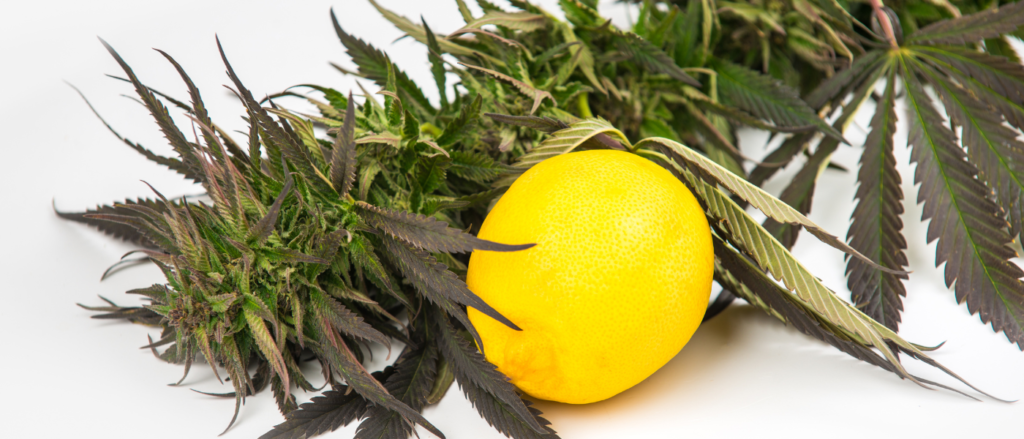
Limonene carries a bright citrus aroma and is found in lemon and orange peels.
It is commonly linked to uplifting and mood-supportive effects. When combined with CBD, limonene may contribute to a lighter, more energizing experience rather than a sedative one.
3. Linalool
Linalool is the terpene responsible for lavender’s distinctive fragrance.
It is widely associated with relaxation and stress relief. In CBD oil, linalool may complement CBD’s calming effects and support overall emotional balance.
4. Pinene
Pinene smells like fresh pine forests.
It is often discussed in relation to alertness and clarity. When present in CBD oil, pinene may help balance any heavy or overly relaxing sensations, creating a more focused experience.
5. Beta-Caryophyllene
Beta-caryophyllene is unique because it can interact directly with CB2 receptors in the body.
This terpene is often studied for its potential role in supporting inflammatory balance. When paired with CBD, it may enhance the oil’s potential benefits for physical discomfort and recovery.
Terpenes and Bioavailability
One reason terpenes enhance CBD oil is their potential influence on bioavailability — the amount of CBD that actually reaches circulation in the body.
Some terpenes may:
- Improve membrane permeability
- Support faster absorption
- Influence metabolic processing
While research is still evolving, early findings suggest that terpene-rich formulations may deliver more noticeable effects compared to isolated CBD alone.
Full-Spectrum vs Broad-Spectrum vs CBD Isolate
Terpene content varies depending on the type of CBD oil.
Full-spectrum CBD oil contains CBD, minor cannabinoids, and naturally occurring terpenes (along with trace THC within legal limits). This format offers the strongest entourage effect.
Broad-spectrum CBD oil includes CBD and terpenes but removes THC. It still provides many synergistic benefits.
CBD isolate contains pure CBD only, with no terpenes. While effective for some users, it lacks the enhanced interaction provided by whole-plant compounds.
Consumers looking for terpene-enhanced benefits should generally choose full-spectrum or broad-spectrum products.
Why Terpene Profiles Influence User Experience
Two CBD oils with identical strength can produce different effects because of terpene variation.
For example:
- A terpene profile rich in myrcene and linalool may feel deeply calming.
- A formula high in limonene and pinene may feel uplifting and mentally clear.
This is why many experienced CBD users pay attention not just to milligrams of CBD, but also to terpene composition.
Understanding terpene profiles allows for more intentional product selection based on individual goals.
Quality Matters: Preserving Terpenes During Extraction
Terpenes are delicate compounds. Poor extraction or high-heat processing can destroy them.
High-quality CBD oil manufacturers use controlled extraction methods such as CO₂ extraction to preserve terpene integrity. Some brands even reintroduce specific terpene blends after extraction to enhance performance and consistency.
When choosing a CBD oil, third-party lab reports often list terpene content, offering transparency and insight into product quality.
Choosing the Right Terpene-Rich CBD Oil
When selecting a CBD oil enhanced by terpenes, consider:
- Product type (full-spectrum or broad-spectrum)
- Third-party lab testing results
- Clearly listed terpene profiles
- Intended use (daytime clarity vs nighttime relaxation)
Personal experimentation may be necessary, as individual responses vary depending on body chemistry and wellness goals.
Also Read: CBD Oil for Travel: Staying Calm on the Go
Final Thoughts
Terpenes are far more than flavor compounds. They are active botanical components that can shape, enhance, and refine the effects of CBD oil.
Through the entourage effect, terpenes work alongside cannabinoids to create more dynamic and targeted outcomes. Whether supporting relaxation, clarity, or overall balance, terpene-rich CBD oils often provide a more complete experience than CBD alone.
As the CBD industry continues to evolve, terpene awareness is becoming an essential part of informed product selection. Understanding these natural compounds allows consumers to move beyond basic strength comparisons and choose formulations aligned with their personal wellness needs.