
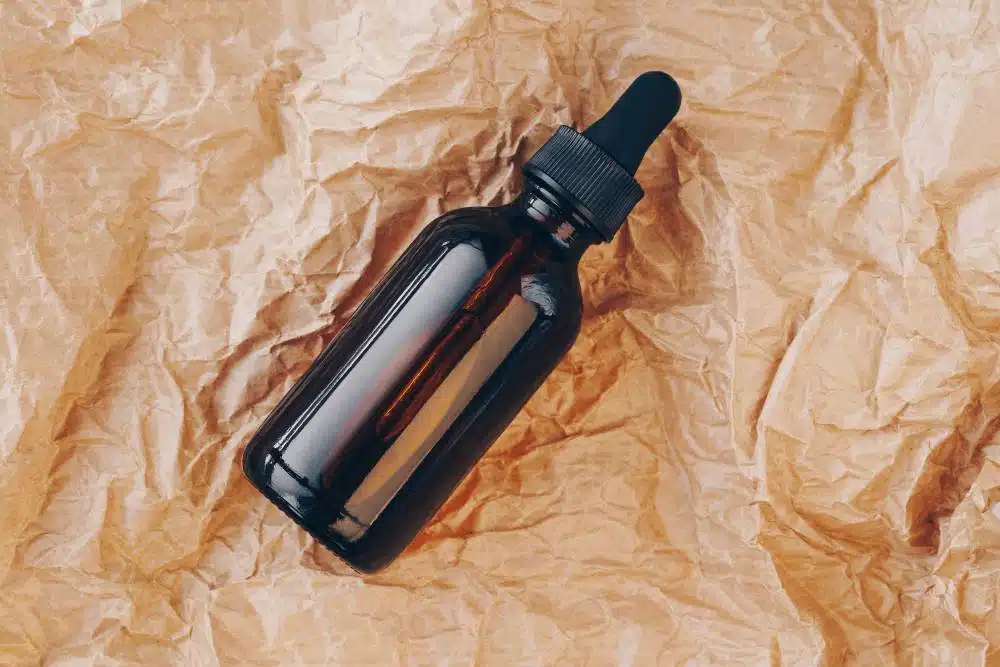
CBD oil has become a popular product among people interested in cannabidiol (CBD) and its potential wellness applications. However, many users have questions about how long CBD oil remains effective, particularly after opening a bottle. Does CBD oil lose potency over time? Can exposure to air, light, or heat affect its quality? And how should you store an opened bottle to preserve its strength?
The answer is yes. CBD oil can lose potency over time, and unsuitable storage conditions may accelerate this process. Research suggests that cannabidiol can degrade when exposed to factors such as light, elevated temperatures, and oxidation. The carrier oil used in the product may also affect its overall stability.
Understanding how CBD oil changes after opening can help you store it appropriately, recognize possible signs of deterioration, and avoid relying on a product that may no longer meet its original quality specifications.
What Is CBD Oil Potency?
CBD oil potency refers to the amount or concentration of cannabidiol in a product. Manufacturers commonly express this information in milligrams (mg) of CBD per bottle, per millilitre, or per serving.
For example, a bottle containing 1,000 mg of CBD in 30 mL of oil has a different concentration from a 500 mg bottle of the same size. Checking the label helps you understand the product’s original strength.
However, potency can change during storage. If some of the cannabidiol degrades, the amount remaining in the bottle may become lower than the original concentration.
It is also important to distinguish between potency and product quality. CBD potency describes the cannabidiol content, while overall quality may include freshness, the condition of the carrier oil, the presence of contaminants, and whether the product meets its label specifications.
Does CBD Oil Lose Potency After Opening?
Yes, CBD oil can lose potency after opening, but opening the bottle does not automatically make the product ineffective. The rate of change depends on its formulation, packaging, storage conditions, and how long it has been kept.
CBD stability research has identified several environmental factors that can influence cannabidiol degradation. These include temperature, light exposure, and oxidation. Laboratory research has also found that CBD dissolved in oil can gradually lose content during extended storage, even when samples are kept in closed containers. Research on CBD stability
Opening a bottle introduces opportunities for air exchange and repeated handling. If the bottle is left uncapped, exposed to sunlight, or stored somewhere warm, deterioration may happen more quickly. However, the extent of potency loss cannot be predicted from the opening date alone.
Different CBD products may also behave differently. CBD isolate dissolved in a carrier oil, full-spectrum CBD oil, and broad-spectrum CBD oil can have different compositions. Findings from one formulation should not automatically be applied to every product.
Why Does CBD Oil Lose Potency?
Several factors can affect CBD oil’s stability. Understanding them can help you avoid common storage mistakes.
1. Exposure to Light
Light is one of the important factors that can contribute to CBD degradation. Prolonged exposure to sunlight or other strong light sources may affect the chemical stability of cannabidiol.
In a study examining commercially available CBD e-liquids, researchers observed greater average CBD loss in samples exposed to light than in samples stored in darkness over 30 days. The exact results varied between formulations. Although e-liquids are not identical to CBD oils, the findings demonstrate why light protection matters for CBD-containing products. CBD stability research
Repeatedly leaving an opened bottle on a sunny windowsill or beside a bright window may therefore be a poor storage practice.
To reduce light exposure, keep CBD oil in its original packaging and store it in a dark cupboard or another location away from direct sunlight. Amber or other light-resistant bottles can provide additional protection, although the packaging alone cannot guarantee a particular shelf life.
2. High Temperatures
Heat can accelerate chemical reactions that contribute to the breakdown of cannabidiol. Storing CBD oil in a hot environment may therefore reduce its stability over time.
Potential problem areas include:
- A parked car during hot weather
- A windowsill exposed to direct sunlight
- A cupboard near an oven or other heat-producing appliance
- A location beside a radiator or heating unit
- A bag left in direct sunlight for extended periods
Laboratory studies have found greater CBD degradation under some elevated-temperature storage conditions than under cooler conditions. However, the amount of loss varies according to the formulation and experimental conditions.
For everyday storage, follow the manufacturer’s temperature instructions and avoid unnecessary heat exposure. Do not assume that refrigeration or freezing is appropriate for every product, because the recommended conditions can differ between formulations.
3. Exposure to Air and Oxidation
Oxidation is a chemical process that can occur when substances react with oxygen. CBD and the oils used as carriers may be affected by storage conditions that promote oxidation.
Every time you open a bottle, its contents may come into contact with air. This does not mean that a small amount of air immediately damages the oil, but frequent or prolonged exposure may contribute to deterioration under certain conditions.
Leaving the cap loose or the bottle open for extended periods increases unnecessary exposure. It can also allow dust, moisture, or other contaminants to enter the product.
Close the cap securely after every use. Avoid transferring CBD oil to another container unless the manufacturer specifically recommends doing so.
4. The Type of Carrier Oil
CBD is commonly mixed with a carrier oil to make the product easier to measure and use. Common carrier oils include medium-chain triglyceride (MCT) oil, hemp seed oil, and olive oil.
The carrier oil matters because it forms part of the product’s overall chemical environment. Different oils have different compositions and may vary in their susceptibility to oxidation and other changes during storage.
For example, research has examined CBD dissolved in sunflower oil and found that its stability depended on storage conditions. Results from one carrier oil should not be assumed to represent all CBD oil formulations.
The freshness of the carrier oil is also relevant. Even when a product still contains cannabidiol, changes in the carrier oil can affect its smell, taste, and overall quality.
5. Time in Storage
CBD oil does not necessarily remain at its original potency indefinitely. Even when stored properly, a product may undergo gradual changes during its shelf life.
A laboratory study of CBD in sunflower oil reported that storage temperature and duration affected its chemical stability. The study used controlled conditions, so its results should not be treated as an exact expiration timeline for every commercially available CBD oil. Study of CBD in sunflower oil
The longer a product is stored, the more important it becomes to follow its labelled expiration date and storage instructions. Opening a bottle is one factor to consider, but the manufacturing date, formulation, packaging, and previous storage conditions also matter.
How Long Does CBD Oil Last After Opening?
There is no single timeframe that applies to every opened CBD oil. Some products may remain within their intended quality specifications for months, while others may deteriorate more quickly because of their formulation, packaging, or storage conditions.
To understand how long your product may last, consider these factors:
- Manufacturer’s guidance: Check the label for the expiration date and any instructions about how long to use the product after opening.
- Storage conditions: Exposure to sunlight, high temperatures, and unsuitable storage conditions can affect stability.
- Packaging: A well-sealed, light-resistant container can help protect the contents.
- Formulation: The carrier oil and other ingredients can influence the product’s stability.
- Product history: A bottle that has spent time in a hot vehicle or direct sunlight may have experienced more deterioration than one stored according to the label.
Do not automatically assume that an opened bottle is safe and effective for a fixed period, such as six or twelve months. Unless the manufacturer provides a specific after-opening period supported by stability data, follow the product’s labelled expiration date and storage instructions.
Signs That CBD Oil May Have Deteriorated
You cannot reliably determine the exact CBD concentration by looking at or smelling the oil. However, certain changes may indicate that the product’s quality has deteriorated.
1. Noticeable Changes in Smell
CBD oil naturally has a smell that depends on its ingredients. Full-spectrum products, for example, may have a more pronounced plant-like aroma than some CBD isolate products.
However, a new, strong rancid, sour, or otherwise unpleasant smell may suggest that the carrier oil has deteriorated. If the smell is significantly different from when you first opened the bottle, stop using it until you can check the manufacturer’s guidance.
2. Unusual Changes in Colour
CBD oil can vary in colour depending on its ingredients, extraction process, and formulation. A colour difference alone does not necessarily mean that a product has expired.
Nevertheless, research published in 2026 examining CBD in MCT oil found that storage conditions associated with light and heat exposure could produce colour changes alongside CBD degradation. The researchers also noted that colour changes cannot directly measure how much CBD has been lost. Read the storage stability study
If your oil develops an unexpected colour change, particularly alongside an unusual smell or changes in consistency, check the product information and contact the manufacturer.
3. Changes in Texture or Consistency
Some oils may become thicker or more cloudy when stored at lower temperatures. Depending on the formulation, this can be a normal physical change rather than evidence of spoilage.
However, unexpected separation, unusual particles, or a persistent change in texture may warrant further investigation. Do not assume that shaking the bottle will restore a deteriorated product to its original quality.
4. Damaged Packaging or a Poorly Sealed Bottle
A damaged cap, leaking bottle, broken seal, or contaminated dropper can compromise product quality. Repeatedly touching the dropper to your mouth or another surface may also introduce contaminants.
If the bottle has been damaged or its contents may have become contaminated, do not rely solely on the expiration date to decide whether it is suitable for use.
5. Reduced or Inconsistent Effects
Some users may notice that an older CBD oil seems less effective than it was previously. However, perceived changes in effect do not prove that the product has lost potency.
Many factors can influence a person’s response, including serving size, consistency of use, other medicines, and changes in the underlying condition. The only reliable way to determine the actual CBD concentration is through appropriate laboratory testing.
If a product appears less effective, do not automatically increase the amount you use. Check the label and speak with a qualified healthcare professional if you use CBD for a medical reason.
How to Store CBD Oil After Opening
Proper storage can help preserve the quality of CBD oil and reduce avoidable deterioration. The following practices can make a difference.
Keep the Bottle Tightly Closed
Close the bottle immediately after measuring your serving. A securely fitted cap helps reduce unnecessary air exposure and protects the contents from dust and other contaminants.
Avoid leaving the dropper outside the bottle or keeping the container open while preparing other items.
Store It Away From Direct Light
Choose a dark cupboard, drawer, or another suitable storage location away from direct sunlight. Keep the oil in its original packaging unless the manufacturer recommends another container.
Do not leave the bottle on a windowsill, beside a bright window, or in another location where it receives prolonged direct light.
Avoid Excessive Heat
Store CBD oil at the temperature specified by the manufacturer. A cool, stable location is generally preferable to an area exposed to repeated temperature changes or high heat.
Do not leave the product in a parked car, near cooking equipment, or in direct sunlight. If the bottle has been exposed to extreme heat, contact the manufacturer for advice rather than assuming that it remains unchanged.
Follow Refrigeration Instructions
Refrigeration is not automatically necessary for every CBD oil. Some products may benefit from cooler storage, while others may become thicker or harder to dispense when chilled.
Read the packaging before placing the bottle in a refrigerator or freezer. Avoid freezing the product unless the manufacturer specifically recommends it.
Keep the Dropper Clean
Use the dropper as directed and avoid allowing its tip to touch your mouth, hands, or other surfaces. Return it to the bottle carefully and close the container securely.
Good handling practices help reduce the risk of introducing contaminants that could affect product quality.
Check the Expiration Date Regularly
Write down the opening date if you find it helpful, and check the expiration date periodically. Follow any instructions specifying how soon the product should be used after opening.
An expiration date is meaningful only when the product has been stored according to the conditions established for it. General guidance on expiration dates explains that stability includes maintaining a product’s strength, quality, and purity under the labelled storage conditions. FDA information about expiration dates
Does CBD Oil Become Unsafe When It Loses Potency?
Reduced potency and product spoilage are not exactly the same thing.
A product may contain less CBD than it originally did without showing obvious signs of spoilage. Alternatively, its carrier oil or other ingredients may deteriorate even when the amount of CBD has not been measured.
For this reason, an oil that looks normal is not necessarily at its original potency, and an oil that has changed colour is not automatically unsafe. Visual inspection alone cannot confirm either potency or safety.
If the oil smells rancid, appears contaminated, has damaged packaging, or shows unexplained changes, it is best to stop using it and seek advice from the manufacturer. Do not taste a questionable product to test whether it is still fresh.
CBD also has potential health risks and can interact with certain medicines. The US Food and Drug Administration warns that CBD may cause liver injury and affect how other medications work. If you use CBD for a health condition, discuss its use with a healthcare professional rather than relying on an older product or changing the amount yourself. FDA information about CBD safety
Common Myths About CBD Oil Potency
Myth 1: Opening a Bottle Immediately Makes CBD Oil Weak
Opening a bottle does not instantly make CBD oil ineffective. Potency changes depend on the product’s formulation, storage conditions, and time. Closing the bottle properly and protecting it from heat and light can help reduce avoidable deterioration.
Myth 2: CBD Oil Is Fine as Long as Its Colour Looks Normal
Normal-looking oil can still have experienced a change in CBD concentration. Colour may offer clues about storage-related changes in some formulations, but it cannot accurately measure potency.
Myth 3: Refrigeration Guarantees Freshness
Refrigeration may be appropriate for some products, but it is not a universal solution. Follow the manufacturer’s storage recommendations, and remember that cooling cannot reverse degradation that has already occurred.
Myth 4: Increasing the Serving Size Compensates for Lost Potency
Increasing the amount of an older product is not a reliable way to compensate for possible potency loss. The remaining CBD concentration may be unknown, and a larger serving may increase the risk of side effects or medication interactions.
If you use CBD under medical supervision, consult your healthcare professional before changing your serving size.
Myth 5: All CBD Oils Have the Same Shelf Life
Different CBD oils can have different formulations, carrier oils, packaging, and stability characteristics. The expiration date and storage instructions for one brand should not be assumed to apply to another.
Also Read: Why Does CBD Oil Change Color Over Time? Understanding the Reasons
Conclusion
CBD oil can lose potency after opening, but the rate of change depends on several factors, including exposure to light, heat, air, storage duration, and the product’s formulation. Opening a bottle does not immediately make the oil ineffective, and there is no universal after-opening timeframe that applies to every product.
To help preserve CBD oil quality, keep the cap tightly closed, store the bottle away from direct sunlight and excessive heat, follow the manufacturer’s storage instructions, and pay attention to the expiration date. Remember that changes in colour, smell, or texture may indicate a quality issue but cannot confirm how much CBD remains.
The most reliable approach is to choose a product with clear labelling and appropriate quality information, store it correctly, and avoid using products that appear spoiled or may have been contaminated.