

Introduction
With the rise in popularity of CBD products, consumers are faced with an overwhelming number of choices. Among the most important decisions is choosing between full-spectrum, broad-spectrum, and CBD isolate. Each type of CBD extract offers unique benefits and may be better suited for certain individuals depending on their wellness goals, sensitivity to THC, or personal preferences.
Understanding these three forms of CBD is essential for making an informed decision about which product best aligns with your needs. In this guide, we will explore what distinguishes full-spectrum, broad-spectrum, and CBD isolate from one another, how they’re made, and what to consider when selecting one.
What Is Full-Spectrum CBD?
Full-spectrum CBD contains all the naturally occurring compounds found in the hemp plant. This includes not just CBD but also trace amounts of THC (typically less than 0.3 percent), as well as other cannabinoids like CBG, CBN, CBC, and beneficial compounds such as terpenes and flavonoids.
Because it contains a wide range of cannabinoids and plant components, full-spectrum CBD is believed to create what is known as the entourage effect. This refers to the idea that these compounds work together synergistically to enhance the overall therapeutic effects of the product.
People who choose full-spectrum CBD are often looking for the most holistic hemp experience. It may be more effective for certain conditions due to the presence of multiple cannabinoids, especially when used for chronic pain, inflammation, or sleep issues. However, the presence of THC, even in small amounts, can be a concern for those who undergo regular drug testing or are sensitive to THC’s effects.
What Is Broad-Spectrum CBD?
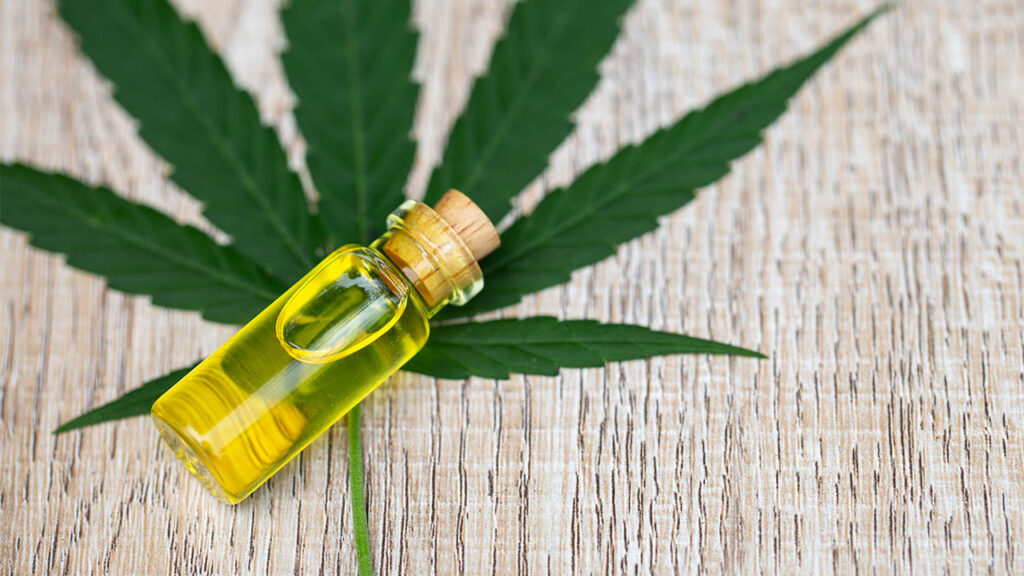
Broad-spectrum CBD is a middle ground between full-spectrum and CBD isolate. Like full-spectrum products, broad-spectrum extracts include CBD along with other beneficial cannabinoids and plant compounds, but they are processed to remove all detectable THC.
This option is ideal for users who want the potential benefits of the entourage effect without consuming THC. Broad-spectrum CBD allows you to enjoy many of the same advantages as full-spectrum products, such as support for relaxation, mood balance, and joint health, but without the legal or personal concerns that may arise from THC exposure.
Broad-spectrum products are commonly used by professionals, athletes, and individuals in fields that require drug testing. While the absence of THC means there is less risk of a positive test result, it’s important to note that no CBD product can guarantee zero THC unless it is a pure isolate.
What Is CBD Isolate?
CBD isolate is the purest form of cannabidiol. It has been processed to remove all other plant compounds, including THC, other cannabinoids, terpenes, and flavonoids. The final product is a white, crystalline powder or a clear oil that contains only CBD.
CBD isolate is favored by individuals who want to experience the effects of CBD alone or who are extremely sensitive to other cannabinoids. It’s also a common ingredient in custom formulations, where precise control over dosage and purity is essential.
Although CBD isolate lacks the entourage effect provided by full- or broad-spectrum extracts, it still offers a range of benefits. It may be helpful for managing stress, mild anxiety, or minor inflammation. Isolates are also flavorless and odorless, making them a good choice for people who dislike the earthy taste of full-spectrum hemp.
How to Choose the Right Type for You
Choosing between full-spectrum, broad-spectrum, and isolate depends on your personal goals, preferences, and sensitivities.
If you’re looking for the most natural, whole-plant benefits and are not concerned about trace amounts of THC, full-spectrum CBD may be your best option. It tends to provide more comprehensive results due to the presence of all cannabinoids and terpenes working together.
If you want the benefits of multiple cannabinoids but need to avoid THC entirely, broad-spectrum CBD offers a safe alternative. It’s great for people who want the entourage effect without any legal or drug testing risks.
If you prefer a product with zero THC or are interested only in the effects of cannabidiol itself, CBD isolate is the cleanest and most straightforward choice. It’s especially suitable for new users who want to introduce CBD into their wellness routine gradually and with minimal risk.
Quality Matters in All Three Forms
No matter which type of CBD you choose—full-spectrum, broad-spectrum, or isolate—the most critical factor is product quality. With the CBD market still loosely regulated in many areas, not all products are created equal. Some may contain inaccurate levels of cannabinoids, while others might include harmful contaminants. This makes it vital to purchase CBD only from reputable manufacturers who are transparent about their sourcing, processing, and testing practices.
A trustworthy CBD company will always provide third-party lab testing results, typically in the form of a Certificate of Analysis (COA). These lab tests are conducted by independent laboratories that have no stake in the company, ensuring unbiased verification of product contents. The COA should confirm the actual cannabinoid profile, including the amount of CBD and THC, and should match what is stated on the product label. This is especially important for users who need to avoid THC for legal or occupational reasons.
In addition to cannabinoid content, the COA should also test for purity. This includes screening for pesticides, microbial contaminants, heavy metals, residual solvents, and mold—any of which can pose serious health risks if consumed. High-quality CBD products are derived from organically grown hemp and are extracted using clean methods such as CO2 or ethanol extraction. These techniques preserve the beneficial compounds in the plant while avoiding the use of harsh chemicals.
Investing in a quality-assured CBD product is not just about efficacy—it’s about safety. Poorly made products can contain ingredients that are not only ineffective but potentially dangerous. By sticking to brands that prioritize transparency, lab testing, and responsible manufacturing, you ensure that what you’re putting into your body is both effective and trustworthy. This diligence gives you peace of mind and helps you experience the true benefits that CBD has to offer.
Also Read: CBD for Muscle Recovery: Can It Help Soothe Soreness and Support Healing?
Conclusion
Understanding the differences between full-spectrum, broad-spectrum, and CBD isolate is key to selecting a product that meets your needs. Each form offers unique advantages depending on your personal goals, legal considerations, and sensitivity to THC.
Full-spectrum CBD provides the most complete hemp experience but includes small amounts of THC. Broad-spectrum CBD removes THC while preserving other valuable compounds. CBD isolate delivers pure cannabidiol with no other cannabinoids.
Whichever form you choose, be sure to prioritize transparency, third-party testing, and quality sourcing. An informed choice leads to a better CBD experience and more consistent wellness outcomes.