
Introduction
For athletes, fitness enthusiasts, and anyone dealing with post-exercise soreness, the search for effective muscle recovery tools is never-ending. One natural option gaining traction is CBD (cannabidiol)—a non-psychoactive compound found in the cannabis plant. While it’s often associated with stress relief and better sleep, CBD may also play a meaningful role in reducing muscle inflammation, easing pain, and supporting faster recovery after physical activity.
In this article, we’ll explore how CBD works in the body, what the science says about its role in muscle recovery, and how to use it effectively.
What Happens to Muscles During Exercise?
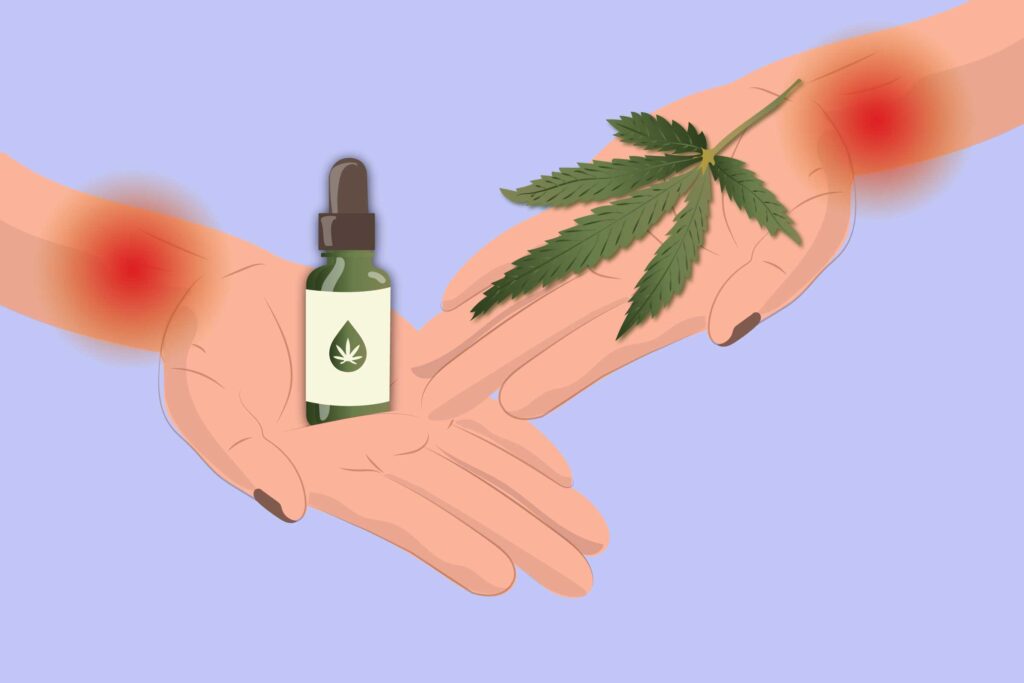
When you engage in physical activity—particularly resistance training, weightlifting, or any form of high-intensity interval training (HIIT)—your muscles are subjected to repeated stress. This exertion causes microscopic tears in the muscle fibers, especially during eccentric movements (when the muscle lengthens under tension, like lowering a dumbbell). While this may sound harmful, it’s actually a normal and necessary part of the muscle-building process.
In response to this microtrauma, the body initiates a natural inflammatory reaction. Immune cells rush to the affected areas to begin the repair process, breaking down damaged tissue and promoting the growth of new, stronger muscle fibers. This cascade of biological events leads to common post-workout symptoms like muscle soreness, tightness, stiffness, and overall fatigue—a condition known as Delayed Onset Muscle Soreness (DOMS). DOMS typically peaks 24 to 72 hours after a workout and can affect performance, flexibility, and motivation.
While some inflammation is beneficial for adaptation and growth, excessive or prolonged inflammation can hinder recovery and increase the risk of injury. This is where CBD may play a helpful role. Thanks to its anti-inflammatory and analgesic properties, CBD could help minimize excessive inflammation, ease discomfort, and speed up recovery—allowing you to return to your workouts sooner and with less pain. Rather than interfering with the body’s healing, CBD may help regulate the response, offering a more balanced recovery experience.
How CBD Supports Muscle Recovery
CBD interacts with the endocannabinoid system (ECS)—a regulatory network involved in pain, inflammation, immune response, and overall homeostasis. By influencing ECS receptors (CB1 and CB2) found throughout the body, CBD may help reduce inflammation, dull pain signals, and support recovery.
Here’s how CBD may assist with muscle recovery:
1. Reduces Inflammation
After strenuous activity, inflammation is a natural part of healing. However, excessive inflammation can delay recovery and increase discomfort. CBD has been shown to have anti-inflammatory properties, helping calm overactive immune responses and potentially speeding up recovery time.
2. Eases Muscle Pain and Soreness
CBD may influence pain perception by modulating how nerve receptors communicate with the brain. This could make it easier to manage soreness without relying on over-the-counter pain relievers like NSAIDs, which can have side effects when used long-term.
3. Improves Sleep Quality
Recovery doesn’t just happen at the gym—it happens during deep, restorative sleep. CBD is often used to promote better sleep by reducing anxiety and promoting relaxation. Improved sleep supports muscle repair, hormone balance, and immune health—all critical to post-exercise recovery.
4. Helps Relax Tight Muscles
Muscle spasms or cramping after exercise can be debilitating. CBD may have muscle relaxant properties by acting on receptors in the spinal cord and muscles, helping to ease tension and support mobility.
What the Science Says
While human studies are still evolving, early research and anecdotal reports are promising:
- A 2020 review in Sports Medicine suggested that CBD could reduce inflammation and improve mobility, making it potentially useful for recovery from exercise-induced muscle damage.
- Animal studies have demonstrated CBD’s pain-relieving and anti-inflammatory effects, which may translate to benefits for human muscle recovery.
- Athletes, from UFC fighters to ultramarathon runners, have begun using CBD as part of their training and recovery routines.
Although more clinical trials are needed, the existing evidence supports the idea that CBD can complement a well-rounded recovery regimen.
How to Use CBD for Muscle Recovery
CBD is available in various formats, and each has its own advantages depending on your recovery goals:
1. Topicals (Balms, Creams, Gels)
Apply directly to sore or inflamed areas. Ideal for localized relief, topicals can be used after workouts or before bed. Look for products that include menthol, arnica, or camphor for added cooling or warming effects.
2. CBD Oil or Tinctures
Taken sublingually (under the tongue), oils offer systemic effects that may help reduce whole-body inflammation and support sleep. Choose full-spectrum or broad-spectrum CBD for a wider range of cannabinoids and terpenes.
3. CBD Capsules or Edibles
These offer longer-lasting effects and are easy to dose. Great for use after workouts or as part of a nightly routine to aid recovery and sleep.
4. CBD Bath Soaks
Soaking in a CBD-infused bath can help relax muscles and ease tension, especially after high-impact training. The combination of heat and cannabinoids offers a soothing recovery ritual.
When Should You Use CBD?
- Immediately after a workout to help curb inflammation.
- At night to support deeper sleep and overnight muscle repair.
- Before workouts, in some cases, to reduce anxiety or pre-existing discomfort.
Dosing Tips
CBD dosage varies from person to person. A good starting point is:
- 10–25 mg/day for general soreness and inflammation
- Up to 50 mg/day for intense pain or sleep support
Topicals can be applied as needed, often 2–3 times daily. Always start low and increase gradually, monitoring how your body responds.
Also Read: CBD Oil for Sleep: Can It Really Help You Rest Better?
Is CBD Safe for Athletes?
CBD is generally considered safe, non-intoxicating, and non-addictive when used responsibly. It has a low risk of serious side effects and is well-tolerated by most individuals, including athletes. In recognition of its therapeutic potential and minimal abuse risk, the World Anti-Doping Agency (WADA) removed pure CBD from its list of prohibited substances in 2018. This change made it legal for use in most professional and amateur sports, allowing athletes to explore CBD for recovery, pain relief, and sleep enhancement without fear of violating doping regulations.
However, it’s important to exercise caution when choosing a product. Many full-spectrum CBD oils and even some broad-spectrum formulas may contain trace levels of THC—the psychoactive compound in cannabis. While these amounts are typically very low (under 0.3%), they can accumulate over time or vary based on product quality, potentially triggering a positive drug test.
To ensure safety and compliance, athletes should only purchase CBD from reputable brands that provide third-party lab reports, also known as Certificates of Analysis (COAs). These lab tests verify the exact cannabinoid content and confirm the product is free from harmful contaminants like pesticides, heavy metals, and solvents. By reviewing COAs carefully, users can avoid unintentional THC exposure and confidently incorporate CBD into their recovery routines.
Conclusion
CBD offers a promising, natural approach to muscle recovery by easing inflammation, relieving pain, and supporting restful sleep. While it’s not a miracle cure or replacement for proper training and nutrition, CBD can be a powerful supplemental tool in your post-workout arsenal.
Whether you’re a weekend warrior or a serious athlete, incorporating CBD into your recovery routine could help you bounce back faster and feel better doing it.